The Remarkable Women of Stowe: Stories of Courage, Innovation, and Trailblazing Spirit
8 March 2025

Stowe House and its stunning gardens have long been celebrated for their architectural innovation, landscape design, and the prominent figures who shaped their legacy. Owners like Viscount Cobham, Earl Temple, the Marquess of Buckingham, and designers such as Sir John Vanbrugh, William Kent, Charles Bridgeman, and Lancelot ‘Capability’ Brown often dominate the narrative. However, the contributions of the women connected to Stowe have frequently been eclipsed by their male relatives, their influence unknown and their stories largely unresearched.
Sadly, few records exist about the women who shaped Stowe, in some cases, we do not even know what they look like, as their portraits have disappeared over time. Yet, their impact on Stowe’s grandeur and legacy is undeniable. These women were not merely bystanders but active contributors who shaped Stowe and the Temple-Grenville family.
Anne, Viscountess Cobham: A Dowry That Transformed Stowe
Anne Halsey is one such figure whose role at Stowe deserves recognition. Her substantial dowry was a cornerstone of the estate’s transformation under her husband, Lord Cobham. While architectural achievements such as the Temple of Concord and Victory and the Palladian Bridge are attributed to Cobham’s vision, Anne’s financial contributions made these projects possible. Despite her commissioning Cobham’s Monument for her husband, no known portraits of Anne remain, leaving her an enigmatic yet pivotal figure in Stowe’s history.
Anna, Lady Temple: Poet and Patron
Anna Chamber played a dual role as a benefactor and a creative force. Her marriage to Richard Grenville-Temple, Earl Temple, brought a dowry of £50,000, a significant sum that further elevated Stowe’s splendour. Beyond her financial influence, Anna was an accomplished poet, leaving behind works, published Horace Walpole, which first mentions Lancelot ‘Capability’ Brown’s involvement at Stowe.
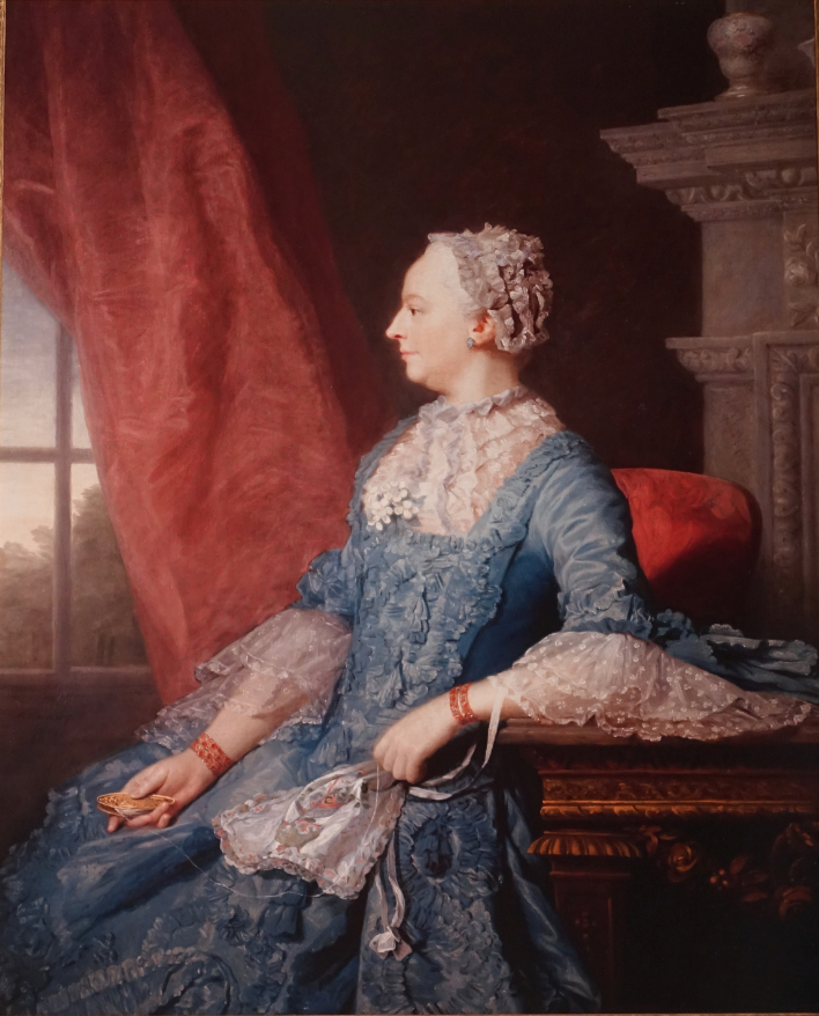
Mary, Lady Buckingham: Artist, Musician, and Philanthropist
Mary Nugent, the wife of George Grenville, Marquess of Buckingham, brought immense talent and compassion to Stowe. An accomplished artist and musician – her image is thought to be that in the Music Room wall painting offering Apollo a lyre - Mary enriched the cultural life of the estate. She also engages in philanthropy within the local community, known for feeding the poor and running dances for the nearby villagers and tenants.
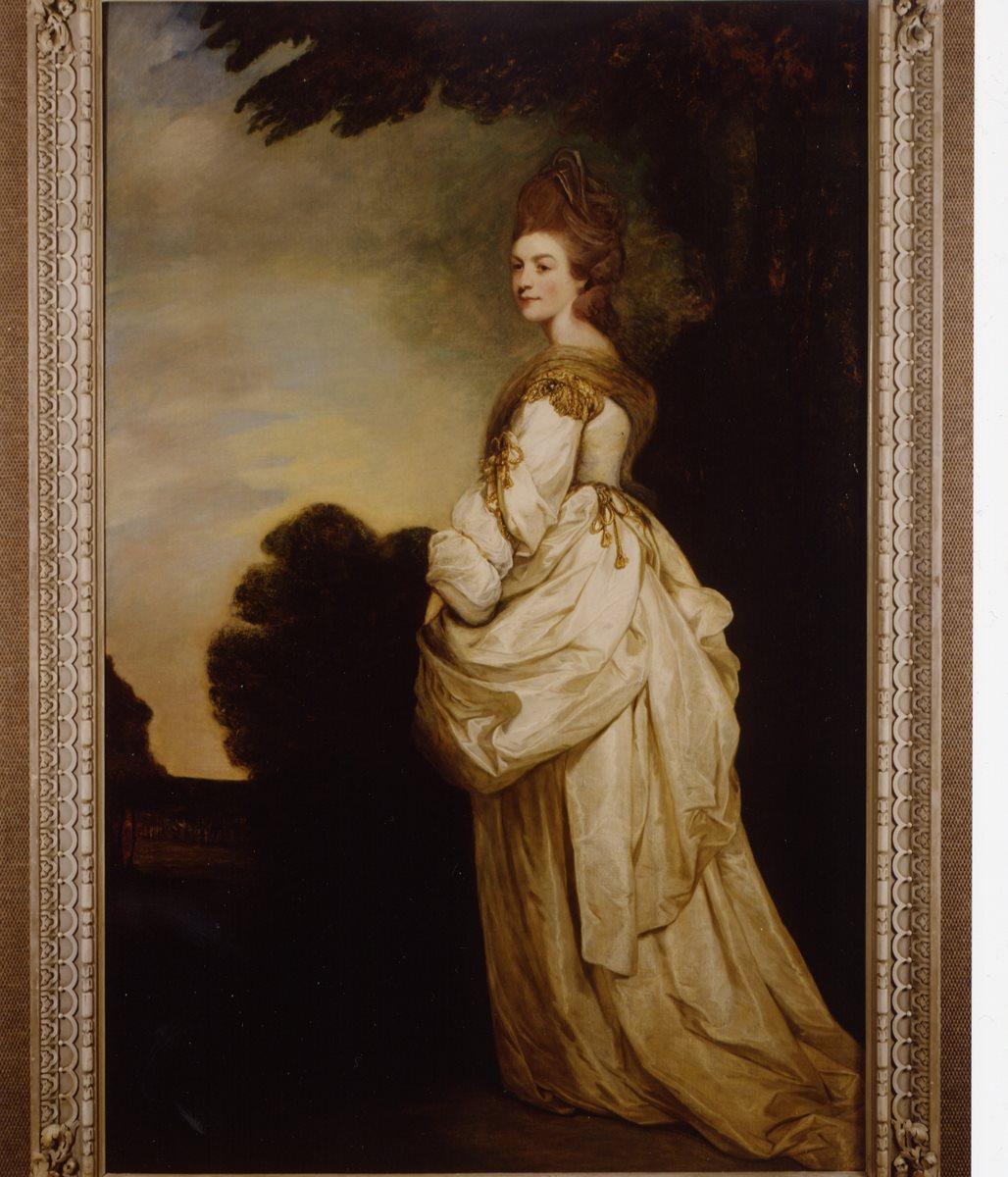
Lady Anna, 1st Duchess: A "Strong and Determined Woman"
Lady Anna Eliza Brydges, wife of Richard Temple- Grenville, the 1st Duke of Buckingham, faced the challenges of her husband’s reckless spending, which drove the family into debt. Described by historian F. M. L. Thompson as a "strong and determined woman," she encouraged the duke to close Stowe and sail around Europe to avoid his debtors, though his extravagance continued. Discovering he had sold parts of her estate without her consent; she secured a resettlement bill in 1828 to protect the remaining estate for their son. When her son later mismanaged the family wealth, leading to the content sales of 1848, Anna Eliza’s decisive financial actions preserved Stowe through its greatest crisis. Dr. John Beckett aptly calls her the "real hero" of Stowe's story, her resilience ensuring the estate’s survival for future generations.
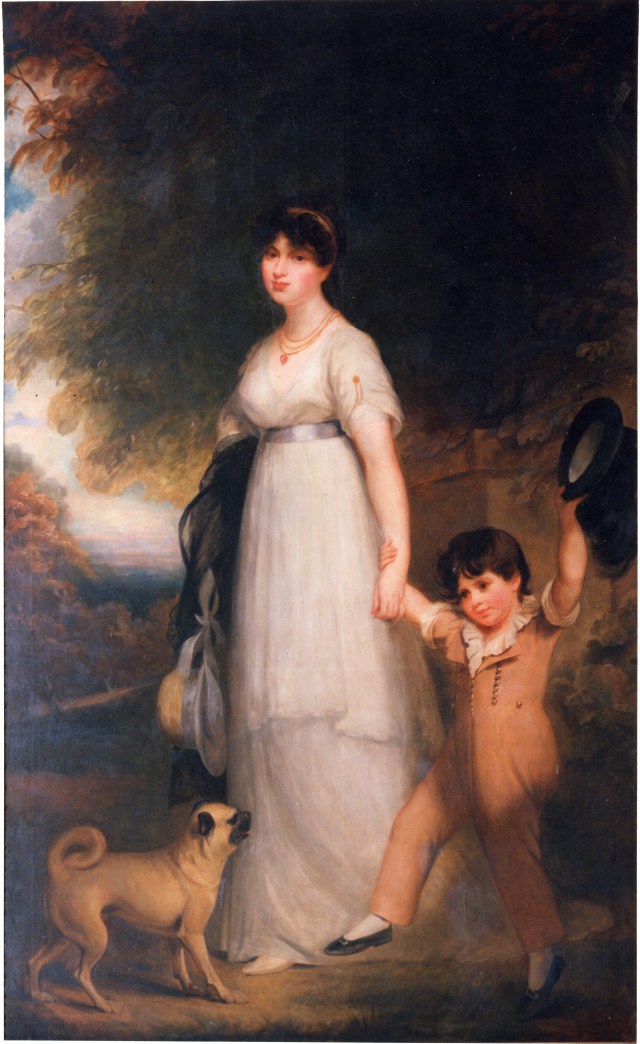
Lady Anna Gore-Langton: A Pioneer for Women’s Rights
Lady Anna Gore-Langton, daughter of the 2nd Duke of Buckingham and Chandos and Mary Nugent, was a trailblazer for women’s suffrage and education reform in the 19th century. As her brother inherited Stowe, their family home, she chose to follow her own path. A signatory of the groundbreaking 1866 Women’s Suffrage Petition, she became a key figure in the movement, serving as President of both the Bath and Bristol branches of the National Society for Women’s Suffrage. She played a pivotal role in advocacy efforts, including a deputation to the Chancellor of the Exchequer in 1877 to support Jacob Bright’s suffrage bill. Beyond campaigning, Lady Anna co-directed the Women’s Printing Society, creating jobs for women in a male-dominated field, and championed women’s education, supporting institutions such as Girton College, Cambridge, and the London Hospital for Women. She also served on a committee in 1871 that enabled women to train as doctors in Edinburgh. Throughout all this, she was supported in her endeavours by her husband, Conservative MP William Gore-Langton.
The women of Stowe may not have left behind grand monuments, but their influence is woven into the fabric of the estate. Their dowries, artistic talents, literary works, pioneering and charitable efforts were critical in shaping Stowe’s history.
When you are next at Stowe, take a moment to reflect on these remarkable women who played a vital yet often invisible role in its history. Their stories, though fragmented, form an essential part of what makes Stowe the extraordinary estate it is today.
Article by: Susy Pullen | Co-Director of the Stowe House Preservation Trust.
#IWD #InternationalWomensDay